End-to-end development
From Scratch to a Running Business: End-to-End Web Development
You have an idea, a business or a half-finished plan. I take it from a blank page to a live product that real customers use: scoping, design collaboration, frontend, backend, payments and launch, all handled by one senior developer who stays accountable from the first call to the handover.
Who it's for
- Non-technical founders who want to build a SaaS from scratch without hiring a whole team.
- Small businesses that need a fast, professional website they can update themselves.
- Shops, restaurants and service businesses that have outgrown spreadsheets and need a proper business system.
- Teams who need a dashboard or internal tool built around the way they actually work.
- Founders who have been let down by agencies and want one person they can talk to directly.
- Anyone who wants to hire a full-stack developer for a whole project, not a single task.
What "end to end" actually means
Most projects stall in the gaps between people: the designer hands over to a frontend developer, who waits on a backend developer, while nobody owns the launch. End-to-end web development removes those gaps. One senior developer is responsible for the whole journey, from the first conversation to a product your customers can pay for.
In practice, that covers:
- Scoping the first version, so you build what matters and park the rest
- Design, either working alongside your designer or setting up a simple design system
- Frontend, the part your users see and click
- Backend and data, the server and database that store and protect your information
- Login and payments, done securely on the server, not just hidden in the browser
- Deployment, analytics and handover, so the product is live, measurable and yours
I work closely with designers, and I'm used to turning their files into working screens without endless back-and-forth. If you don't have a designer, that's fine too.
What I build
I'm a senior full-stack engineer with more than five years of building production web apps, from React and Next.js on the front to Node.js and Express APIs behind them. My website and web app development work usually falls into a few groups:
- Marketing and content websites that load quickly, are easy for search engines to understand and are simple for your team to update.
- SaaS platforms with accounts, subscriptions, dashboards and email reports. I spent around two and a half years on Timegram, a time-tracking SaaS, starting with its first React interface and going on to lead its development, including Firebase Cloud Functions, Paddle subscriptions and scheduled reports.
- Point-of-sale and business systems. At Grappetite I lead frontend development on an offline-first point-of-sale system for retail and restaurants. "Offline-first" means it keeps taking sales when the internet drops, then syncs once the connection is back.
- Payment platforms and dashboards. At Atompoint I worked on a global school-fee payment platform built with React, Node.js and Firebase.
- Internal tools that replace the spreadsheets and copy-paste routines slowing your team down.
Choosing the right stack for the job
A "stack" is simply the set of tools a product is built with. I don't force every project into the same one. Here is roughly how I decide:
- Web apps and SaaS: Next.js development for products that need speed and good search visibility, or React development for dashboards and tools that live behind a login.
- Backend: a custom Node.js backend when you need full control over your data and business rules, or Firebase development when you want login, a database and hosting up and running quickly.
- Content your team edits: Contentful for structured content across several pages or apps, or WordPress when a familiar editor and plugins matter most.
How a project runs
Every project is broken into milestones, each one a piece you can see and use, such as "sign-up and login working" or "checkout live on staging". You get a fixed quote before any work starts and pay per milestone, so there are no open-ended invoices. You can see how that works on my pricing page.
Each week you get a preview link to click through and a short written update: what's done, what's next and anything I need from you. I'm based in Karachi (UTC+5), so my hours overlap with UK and European working days and US mornings. I use AI coding tools daily to move faster, and I review everything they produce as carefully as code I've written by hand.
After launch
Launch is the start, not the finish. Real users will show you what to improve, and you'll want someone who already knows the code to make those changes quickly.
You can keep me on a monthly retainer for new features, fixes and advice. Or, if you're building your own team, I'll hand over the code, hosting accounts and documentation so they can pick it up without guesswork. Either way, the code is yours once it's paid for. To talk through your idea, get in touch and we'll start with a free 20-minute call.
What's included
Discovery and scope
We pin down who the product is for, what the first version must do and what can wait, written up as a clear scope you can share.
Design collaboration and UI system
I work from your designer's files, or set up a simple, consistent design system if you don't have a designer yet.
Frontend build
Fast, responsive pages and screens built with React or Next.js, tested on phones, tablets and desktops.
Backend and database
The server, APIs and database behind your product, designed so your data stays organised as you grow.
Login and payments
Secure sign-up and login, user roles where you need them, and payments or subscriptions through a trusted provider.
Deployment, CI and hosting
Hosting set up in your name, a staging copy for testing, and automated checks that run before every release.
Analytics and SEO basics
Analytics so you can see what visitors do, plus clean page titles, descriptions and structure so search engines can find you.
Documentation and handover
Plain-English notes on how everything fits together and how to deploy it, so you or a future developer can carry on.
How it works
Step 1: Free 20-minute call
20 minutes
You tell me about the idea, the business and your deadline. I'll be honest about whether I'm the right fit.
Step 2: Discovery and fixed quote
Typically a few days
We agree the scope and the first version together, and you get a fixed price split into milestones.
Step 3: Build in milestones
Typically 2–12 weeks
I build in small stages, with a working preview link each week and a written update on progress.
Step 4: Launch
We test on a staging copy, fix the last details and go live together, with monitoring in place from day one.
Step 5: Support or handover
Keep me on a monthly retainer for new features and fixes, or take the code and documentation to your own team.
Related case studies
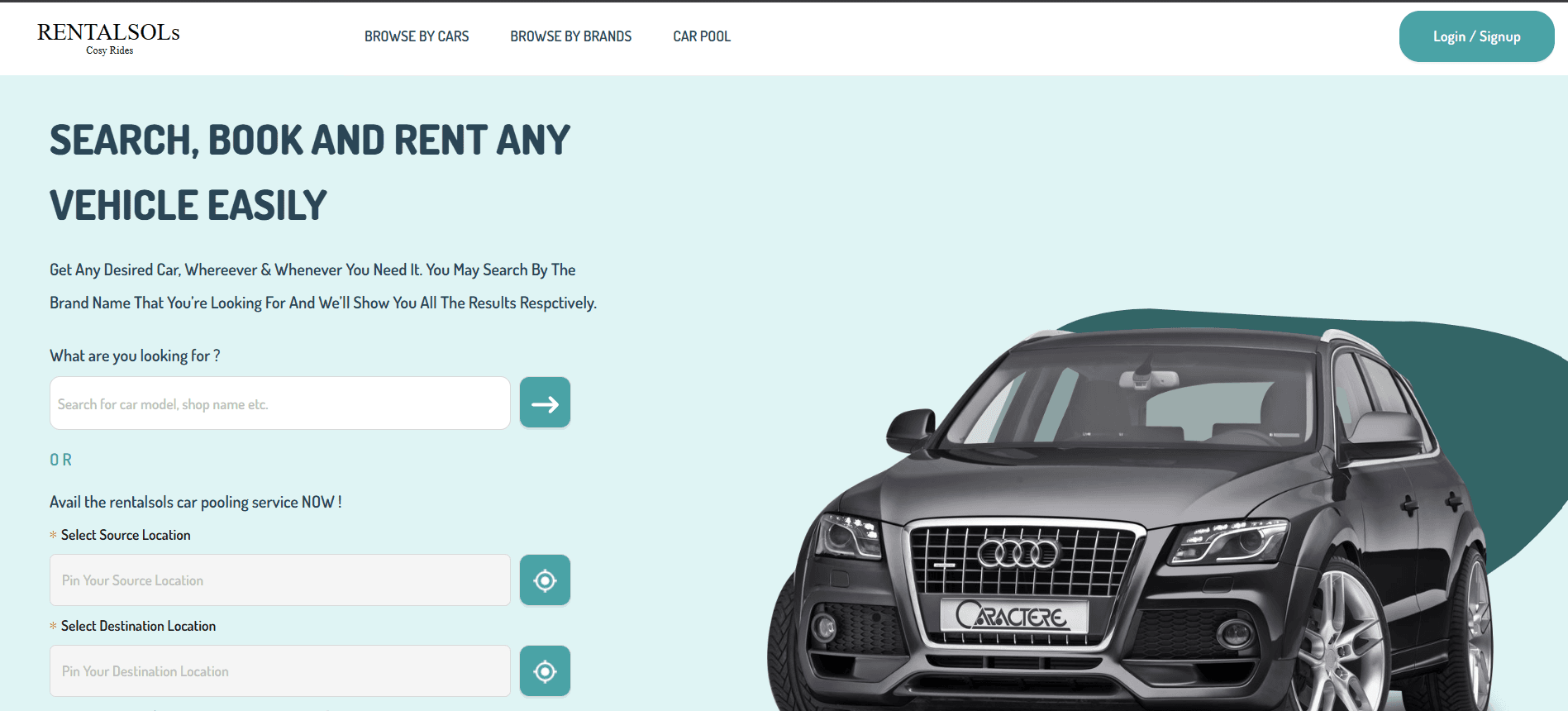
Mobility · Car rental & ride sharing · 2023
Rentalsols: Car Rental and Location-Based Car Pooling Web App
Car rental marketplace plus location-based car pooling, built as our own product by a team of three with React, Firebase and Google Maps.
2 products car rental marketplace and location-based car pooling in one app
- React
- Redux Toolkit
- Ant Design
- SQL database
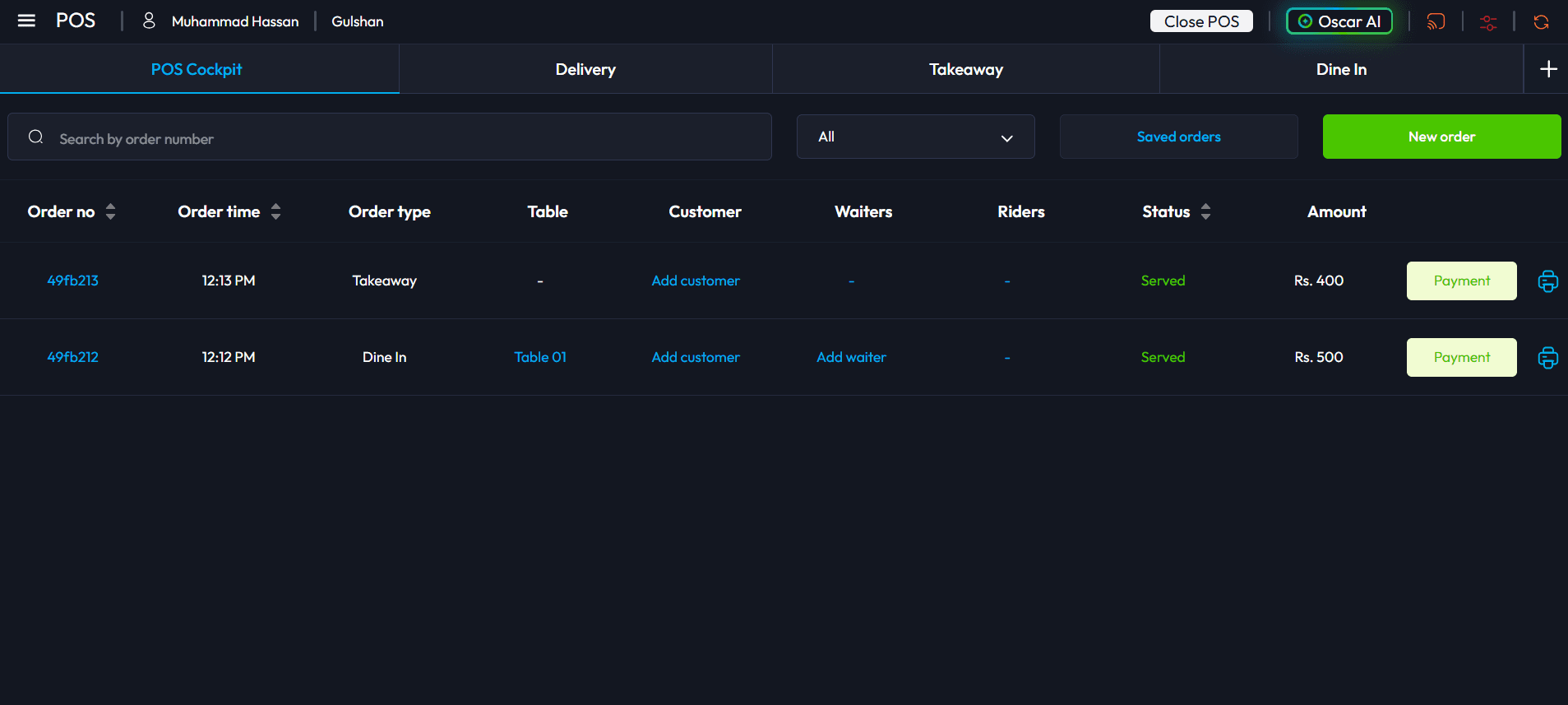
SaaS · Point of Sale (Restaurants & Retail) · 2026
Oscar POS: An Offline-First Point of Sale for Restaurants and Retail
2 years building Oscar, an offline-first POS for restaurants and retail in Pakistan: web app revamp, kitchen display, printer routing and tax integrations.
2 years from the web app revamp to the core POS features
- React
- WatermelonDB (offline-first, browser storage)
- WebSockets
- Django
FAQ
Questions about this service
Can one developer really build a whole product?
For most websites, MVPs and small-business systems, yes. One senior developer means no hand-offs between people, fewer misunderstandings and one person who knows every part of the code. If your project genuinely needs more hands, I'll tell you during discovery rather than halfway through.
Do I need a designer before we start?
No. If you have a designer, I'll work closely with them and build exactly what they've drawn. If you don't, I'll set up a clean, simple design system based on proven patterns, which is often all a first version needs.
How do you price a project?
After a free call and a short discovery stage, you get a fixed quote split into milestones, and you pay per milestone as each one is delivered. That way you always know the total cost up front and only pay for work you've seen. The full details are on my pricing page.
Which technology will you use for my project?
Whatever suits the job, not whatever I happen to like. Next.js or React for most web apps, Node.js or Firebase for the backend, and Contentful or WordPress when non-technical people need to edit the content. I'll explain the choice in plain English before we start.
What if I've already started building with Lovable, Bolt or v0?
That's fine. I can take over the existing code, check it properly and carry on from there instead of starting again. If you mainly need that, my AI-built app takeover service is the better fit.
What happens after launch?
You can keep me on a monthly retainer for new features, fixes and advice, or I hand everything over with documentation to you or your own team. Either way, you own all of the code once it's paid for.
Will you sign an NDA, and do I own the code?
Yes to both. I'm happy to sign an NDA before you share anything, and once the work is paid for, the code, hosting accounts and data are all yours.